
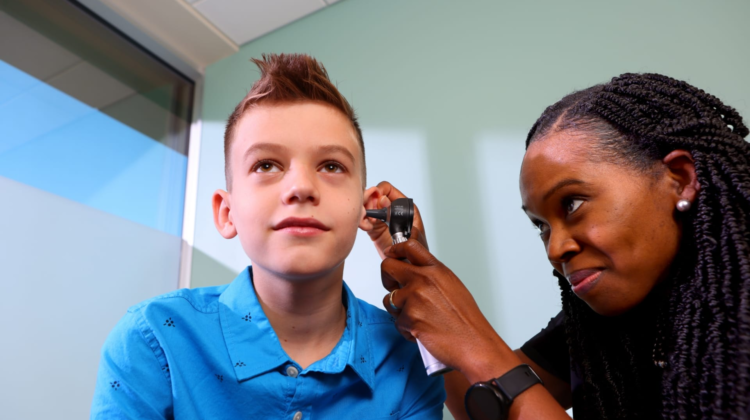
Preventive Care Services for Adults and Children
Preventive care services for adults and children are an important part of staying healthy throughout life. Instead of waiting until someone gets sick and then treating the illness, preventive care focuses on stopping health problems before they start. It includes regular checkups, screenings, vaccinations, counseling, and healthy lifestyle guidance. These services help people of all ages live longer, healthier, and happier lives.
In simple words, preventive care is like taking care of your health before problems appear. Just like we service a car regularly to avoid breakdowns, our bodies also need regular care to stay in good condition. Both adults and children benefit from preventive care, but the type of care may differ based on age, health needs, and risk factors.
What Are Preventive Care Services?
Preventive care services are medical services that help detect or prevent diseases early. These services are not meant for treating existing serious illnesses but for avoiding them or catching them early when they are easier to treat.
Common preventive care services include:
- Regular health checkups
- Vaccinations (immunizations)
- Blood pressure and cholesterol tests
- Cancer screenings
- Growth and development checks for children
- Nutritional and lifestyle counseling
- Mental health screenings
Doctors, nurses, and healthcare providers use these services to identify risks early and guide patients toward better health choices.
Preventive Care for Children
Children need preventive care from birth through their teenage years. Early care is very important because it supports healthy growth and development.
Some common preventive services for children include:
1. Vaccinations
Vaccines protect children from serious diseases like measles, polio, hepatitis, and whooping cough. These are given at specific ages to build strong immunity.
2. Growth Checkups
Doctors regularly check a child’s height, weight, and development. This helps make sure the child is growing normally.
3. Vision and Hearing Tests
Early detection of vision or hearing problems can improve learning and development.
4. Nutrition Guidance
Parents receive advice on healthy eating habits for their children to prevent obesity and malnutrition.
5. Developmental Screening
Doctors check if children are reaching milestones like walking, talking, and social interaction at the right age.
Preventive care in childhood builds a strong foundation for lifelong health.
Preventive Care for Adults
Adults also need preventive care to maintain good health and reduce the risk of chronic diseases like diabetes, heart disease, and cancer.
Some important preventive services for adults include:
1. Regular Health Checkups
Routine visits help monitor blood pressure, weight, and overall health condition.
2. Screenings
Adults may need tests such as:
- Blood sugar tests for diabetes
- Cholesterol tests for heart health
- Cancer screenings (breast, cervical, prostate, colon)
3. Vaccinations
Adults may need booster shots or vaccines like flu shots, tetanus, or COVID-19 vaccines.
4. Mental Health Care
Screening for stress, anxiety, and depression is an important part of preventive care.
5. Lifestyle Counseling
Doctors guide adults on quitting smoking, managing stress, eating healthy, and exercising regularly.
Preventive care helps adults stay active and avoid serious health problems later in life.
Why Preventive Care Is Important
Preventive care services are very important because they:
- Detect diseases early before they become serious
- Reduce healthcare costs in the long run
- Improve quality of life
- Increase life expectancy
- Help children grow healthier and stronger
- Support mental well-being
Many diseases can be controlled or even prevented if they are found early. For example, high blood pressure has no clear symptoms at first, but regular checkups can detect it early and prevent heart disease or stroke.
Benefits of Preventive Care for Families
Preventive care is not just for individuals but for entire families. When parents take care of their health, they can better care for their children. When children are healthy, they perform better in school and daily life.
Some key benefits include:
- Healthier families overall
- Fewer hospital visits
- Better awareness of healthy habits
- Early treatment when needed
- Peace of mind for parents and caregivers
Preventive care also builds trust between families and healthcare providers.
Barriers to Preventive Care
Even though preventive care is very helpful, some people do not use it regularly. There are several reasons for this:
- Lack of awareness about its importance
- High cost in some areas
- Busy schedules
- Fear of medical tests or results
- Limited access to healthcare facilities
Education and awareness can help overcome these barriers. Governments and healthcare systems are also working to make preventive care more affordable and accessible.
How to Access Preventive Care Services
Getting preventive care is usually simple. People can:
- Visit a local clinic or hospital
- Schedule annual checkups with a doctor
- Follow vaccination schedules for children
- Ask doctors about recommended screenings based on age and health history
- Use community health programs if available
It is important to keep a personal health record and follow medical advice regularly.
Building a Healthy Future
Preventive care is a long-term investment in health. It is not just about avoiding sickness but about building a better quality of life. When families take preventive care seriously, they reduce health risks and enjoy more active and productive lives.
Healthy habits like eating balanced meals, exercising daily, getting enough sleep, and managing stress also support preventive care. When combined with regular medical checkups, these habits create a strong defense against many diseases.
Conclusion
Preventive care services for adults and children play a powerful role in keeping people healthy. Instead of waiting for illness, these services focus on prevention, early detection, and healthy living. From childhood vaccinations to adult health screenings, preventive care supports every stage of life.
By making preventive care a regular part of life, families can enjoy better health, fewer medical problems, and a brighter future. It is one of the simplest and most effective ways to protect health and improve overall well-being.
Frequently Asked Questions (FAQs)
1. What is preventive care?
Preventive care includes medical services that help prevent diseases or detect them early before they become serious.
2. Why is preventive care important for children?
It helps children grow properly, prevents diseases through vaccines, and detects health or development issues early.
3. How often should adults get preventive checkups?
Most adults should have a checkup once a year, but it may vary depending on age and health condition.
4. Are preventive care services expensive?
In many places, basic preventive care is affordable or covered by insurance or public health programs.
5. Can preventive care really stop diseases?
It cannot stop all diseases, but it can reduce risks, detect problems early, and improve treatment success.